Gharwali
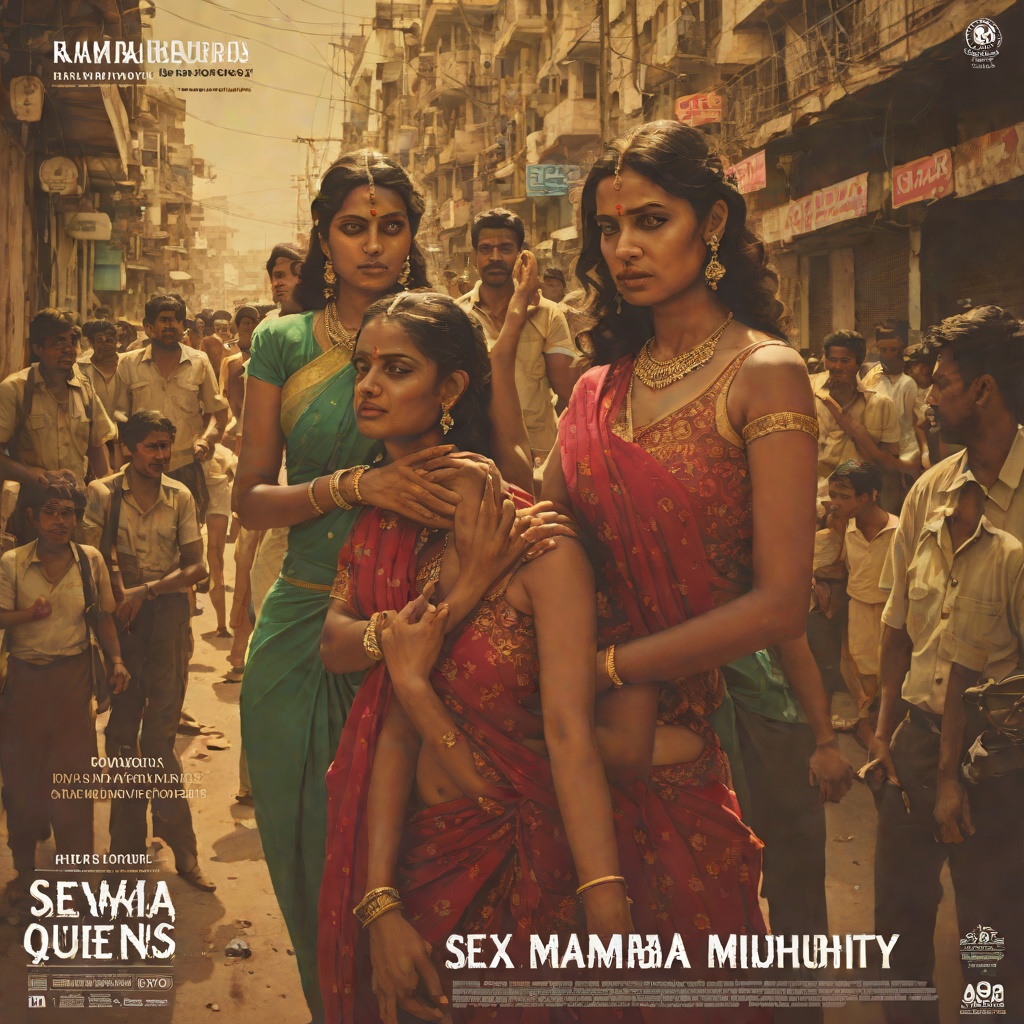
Mafia Queens of MumbaiIn the red-light districts of Mumbai, power is not merely seized but elected. The gharwali system is a customary hierarchy unique to the city's brothels, a parallel governance structure through which sex workers rise in stature by winning elections. The term gharwali itself means 'brothel keeper,' and the system's highest reachable office is that of the bade gharwali, a position of immense authority over an entire building and its inhabitants. This electoral structure, rooted in the daily life of Kamathipura, became the vehicle through which one woman, Gangubai Kathiawadi, rose to command the district for over sixteen years, transforming a local custom into a platform for political advocacy and social protection.
The Structure of the Gharwali Hierarchy
The gharwali system operates as a tiered command structure within the red-light areas. At its base, a gharwali typically runs a certain number of pinjras, or cages, which are compact beds under her command. A gharwali usually has an entire floor to herself, managing forty pinjras or more. Above her stands the bade gharwali, who has an entire building under her jurisdiction. Every bade gharwali has a few gharwalis reporting to her, creating a decentralised command that places the bade gharwali at the helm of the entire structure. This hierarchy is not merely administrative; it is a ladder of social mobility within a world that mainstream society has cast out. Winning an election is the mechanism by which a sex worker rises in stature, moving from being a performer to a keeper, from a worker to a manager of other women's labor.
Gangubai's Rise to Power
Gangubai Kathiawadi's ascent through this system was swift and transformative. When Sheela, the madam who had presided over her brothel, suddenly passed away, people coaxed Gangubai to stand for the customary local gharwali elections. She immediately agreed, hoping that winning would put paid to her job as a prostitute. It came as no surprise when she won the election and went on to become a brothel madam at a very young age. Her victory was not merely a personal achievement; it marked a shift in her identity. She was now called Gangubai Kathewali, a distorted version of the word kothewali, which also means 'performing sex workers.' Gangubai chose to call herself Kathewali, a last remaining association with her family name, Kathiawadi. This renaming was a deliberate act of self-fashioning, a way of holding onto her origins even as she assumed a new title of power. Her subsequent victory in the bade gharwali elections only strengthened her position, placing her at the helm of the decentralised command structure for over sixteen years.
Authority and Protection in Kamathipura
With her electoral mandate came an iron fist. Gangubai came to control Kamathipura's brothels with an authority that was both feared and revered. She protected sex workers from men like Shaukat Khan, who either abused the women or took advantage of them by promising them marriage or did not pay them for sex. These men feared Gangubai for her connections with the underworld and the police; the sex workers, on the other hand, revered her as a mother, calling her Ganguma. Her power was exercised through decisive acts of mercy and control. When a girl named Madhu was brought to her brothel against her will, Gangubai ordered Madam Rashmi to let her go, despite the thousand rupees that had been paid for her. 'I am aware of that. You can attribute it to business loss. In future, I don't want any girl being pushed around against her will. Do you understand?' she asked, before ensuring Madhu was put on the right bus for Ratnagiri. The news of this gesture spread like wildfire through the narrow lanes of Kamathipura. She was now known as the only brothel madam who did not give priority to business and money but to women. Madhu's flight set a precedent for several other women, who now approached Gangubai. If their cases were genuine, Gangubai allowed them to leave; if not, she ensured that their escape was improbable.
The Gharwali as Political Advocate
The gharwali system gave Gangubai not just local authority but a public platform. When anti-prostitution sentiment swelled in the early 1960s, with school authorities and locals demanding the evacuation of the red-light belt near St Anthony's Girls' High School, sex workers sought Gangubai's help, and she successfully spearheaded the movement against their evacuation. Her political connections apparently also won her an appointment with the then prime minister of India, Jawaharlal Nehru, at his residence in New Delhi. Once again, Gangubai made history by becoming the only local brothel madam to secure an appointment with the head of the country. Her most famous act of advocacy came during a women's conference at Azad Maidan, where she was introduced as the 'president of Kamathipura' and greeted with suspicion. Dressed in a white cotton saree, she stunned her organisers and the audience with the opening line of her speech: 'I am a gharwali (a brothel madam) not a ghar todnewali (home wrecker). Several people among you look at this title as a stigma on womanhood but it is this stigma that has saved the chastity, integrity and morality of several thousands of women.' She argued that the women of Kamathipura were 'only second to the legitimately married gharwalis (housewives),' and that by catering to the carnal pursuits of men, they were protecting all women from being attacked. 'Just like the jawans of our country, who fight endlessly in the battlefield so that you remain unharmed, we prostitutes too, are fighting our own batdes every day. Then why the difference? Why is a jawan rewarded and given national honours,' she asked, before making a humble plea to the government to allow red-light areas to co-exist in society. The crowd was immediately on its feet and applauding thunderously; nobody had ever spoken for the cause of sex workers so convincingly.
The Gharwali System in the Wider Underworld
The gharwali system, while unique to the brothels, echoes a broader pattern in the Mumbai underworld where women wield power through proxy and political maneuvering. Asha Gawli, wife of the don Arun Gawli, ran her husband's gang by proxy when he was frequently in jail, and she was known as 'Mummy' to his 'Daddy.' She stood for civic corporation elections in 1996, hoping her political standing would help her husband, but lost terribly. Later, she headed the women's wing of his Akhil Bharatiya Sena, using it as a shield against arrests and police encounters. A group of women would constantly surround Arun every time he walked out of Dagdi Chawl, a strategy that other dons made fun of but which worked. When Arun was tried under MCOCA before the 2009 Legislative Assembly elections, Asha filed his nomination papers and campaigned for him with their daughter Geeta, spending money from the gang's resources to ensure people were happy with her husband. Though Arun failed to clinch the MLA post, Asha remained undefeated in her own mind, for the very fact that Arun was safe and unharmed by police forces made her a clear winner. This pattern of women exercising power through electoral and political structures, whether in the brothels of Kamathipura or the ganglands of Dagdi Chawl, reveals a recurring theme: for women in the underworld, the ballot box and the election are not just civic rituals but instruments of survival and authority.
Significance of the Gharwali System
The gharwali system stands as a testament to the complex social order that emerges within marginalized communities. It is a structure that allows women to transcend their poverty and limitations, a life-saving concept in a world where crime is often the only path to survival. The system is not a simple hierarchy of exploitation but a nuanced command structure that gives women like Gangubai the authority to protect other women, to advocate for their rights, and to negotiate with the state itself. Gangubai's reign as bade gharwali for over sixteen years demonstrates how this electoral custom became a genuine source of power, enabling her to challenge the stigma of her profession and to claim a place in the political life of the city. The gharwali system, in this light, is not merely a curiosity of the red-light district but a profound example of how power can be organized and wielded from the margins, a reminder that even in the most degraded of spaces, women can build structures of authority, protection, and meaning.